

Our Latest News


Taylor Swift'S Wedding: A Cultural Event Or A Celebrity Spectacle?

The Taylor Swift Wedding: A Cultural Phenomenon
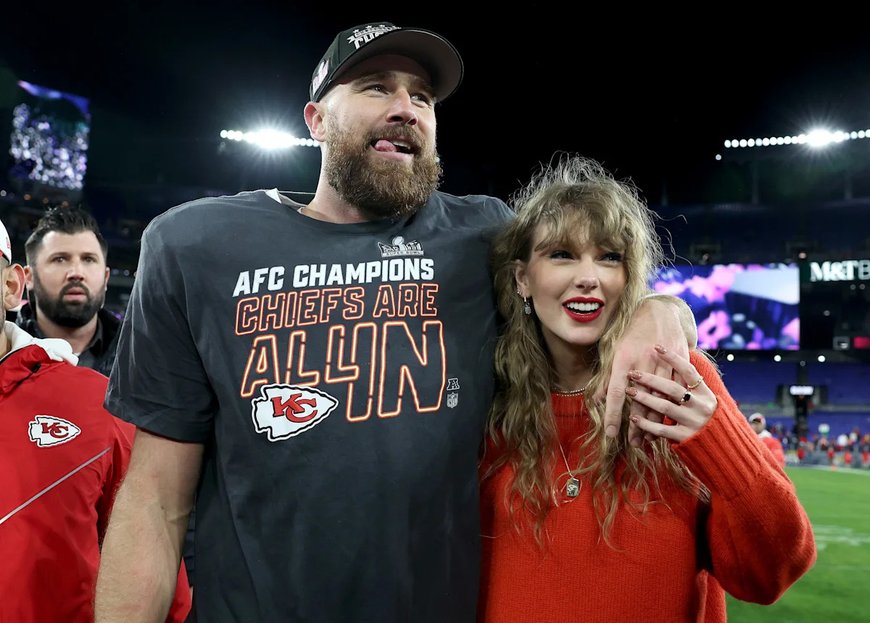
When celebrity weddings come up in conversation, they’re rarely just about the ceremony anymore. They’re about wealth, class, politics, and the fervor of fandom. Taylor Swift’s wedding to Travis Kelce is a prime example, as it has quickly become one of the most talked-about cultural events of the year. What started as a celebration of one of the world’s most famous couples has morphed into a broader dialogue about celebrity excess, billionaire lifestyles, and media literacy.
If your social media feed looked anything like ours over the past week, you might have noticed it was less about summer fun and more like a never-ending stream of guest arrivals, wedding dress speculation, and celebrity gossip. The conversation has exploded into a public examination of what Swift’s wedding should or shouldn't have looked like.
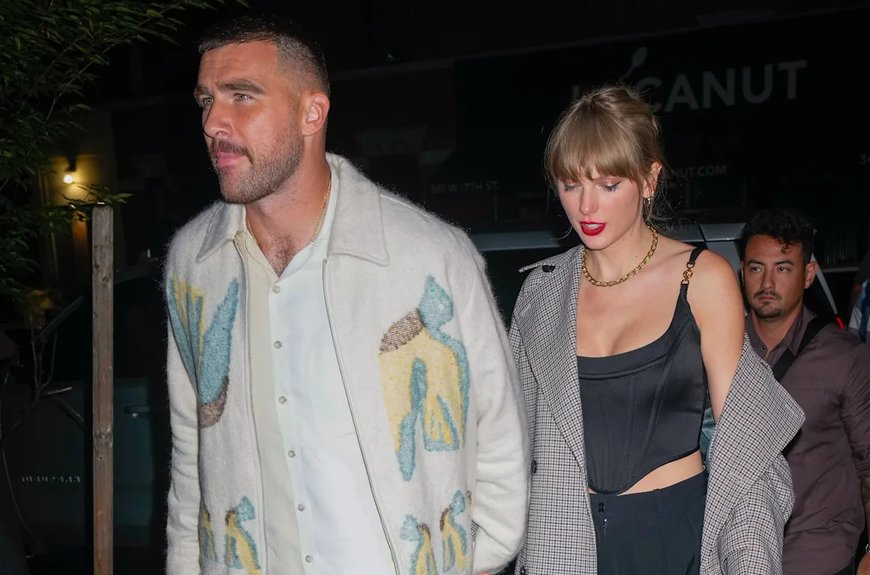
“I’ve been a fan since I was a teenager,” said Aadya Karunasinghe. “Watching her get married genuinely made me happy because we’ve followed so much of her life through her music. But at the same time, I also looked at everything surrounding the wedding and thought, ‘This is incredibly excessive.’”
Intense Reactions and Divided Opinions
For many, the timing of Swift's wedding coincided with a weekend that might otherwise hold little significance. Yet, this time, it was unavoidable as the world’s biggest pop star chose that moment to close a monumental chapter of her life. Ironically, the wedding itself almost took a backseat to the conversations swirling around it.
Swift has always been a lightning rod for intense reactions. Whether it's releasing a new album or attending an event, she sparks discourse. Her wedding was no exception, bringing together almost every cultural debate currently simmering online. Fans like Aadya Karunasinghe find themselves in a unique position – loving Swift’s music while questioning the grandeur of her wedding.
A Split in Public Sentiment
Social media discussions have polarized into two camps. One side argues that such extravagance feels unsettling amidst global struggles with housing and healthcare. The wedding’s estimated $20 million cost stands in stark contrast to a world grappling with economic uncertainty. Swift’s charitable donations before the ceremony, reportedly totaling $26 million, were seen by some as a pre-emptive defense against inevitable criticism.
On the flip side, some argue: why shouldn’t Swift enjoy her dream wedding? As one of the wealthiest entertainers, she’s lived under constant scrutiny. Other billionaires have lavish weddings without becoming symbols of societal excess. Hafsa Huda, another longtime fan, suggests that the issue isn’t Swift’s wealth but the ostentatious presentation. “It was just very in-your-face,” she noted, suggesting a more understated approach might have been received differently.
The Inevitable Criticism
Hasitha Pathirana, a self-proclaimed Taylor Swift expert, believes that no matter what Swift did, criticism was unavoidable. “If she had a small wedding, people would have complained it didn’t feel authentic. If it’s a large wedding, she’s seen as out of touch.” The scrutiny Swift faces seems uniquely intense, perhaps because of her status.
This raises another question: does society scrutinize successful women differently? Or is Swift simply so culturally significant that her every move becomes a symbol? Manek Abbas, who admits he doesn’t get the Swift phenomenon, found the wedding “tacky,” preferring what he calls “tasteful luxury.” His take highlights how perceptions of celebrity actions vary widely.
A Moment of Reflection
As the wedding fades from headlines, the meaningful conversation remains: can we admire artists while questioning their choices? Swift’s wedding will be remembered as a defining celebrity moment, not just for its splendor, but for the discussions it sparked about fandom and criticism. It suggests that perhaps the most genuine form of fandom leaves room for both admiration and critique.
Categories:

Author: Avery

Avery
PHOTO









POPULAR