

Our Latest News


Ellen Degeneres Faces Backlash For Awkward Taylor Swift Interview
Ellen's Past Haunts Her Once Again
Ellen DeGeneres, the once-beloved talk show host now residing in the serene Cotswolds with her wife Portia de Rossi, is facing the heat once more. This time, it's not about her show’s behind-the-scenes environment, but rather an old interview clip that has resurfaced online and sparked a flurry of criticism.
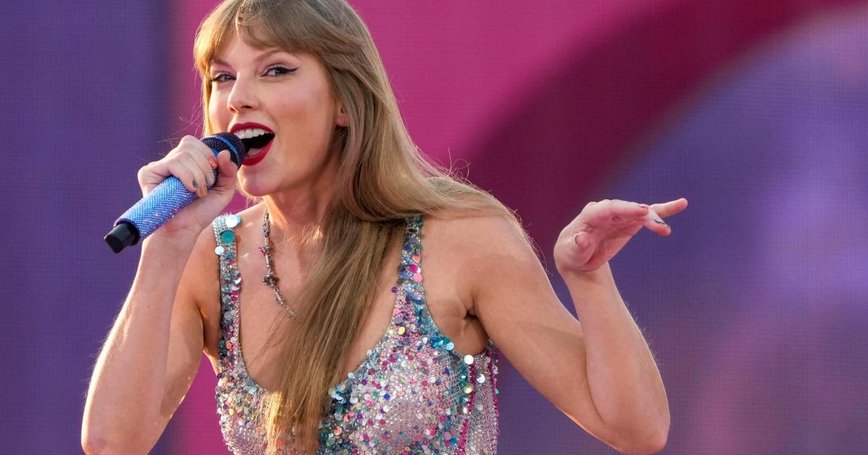
In the clip from the early 2010s, DeGeneres plays a game with none other than pop sensation Taylor Swift. The game involves a slideshow of men Swift reportedly dated, with DeGeneres pressing her to ring a bell when she recognizes any of her ex-boyfriends. Swift, visibly uncomfortable, pleads for the game to stop, expressing, "It makes me feel bad." Yet, DeGeneres persists, brushing off Swift's discomfort with comments on her demeanor.
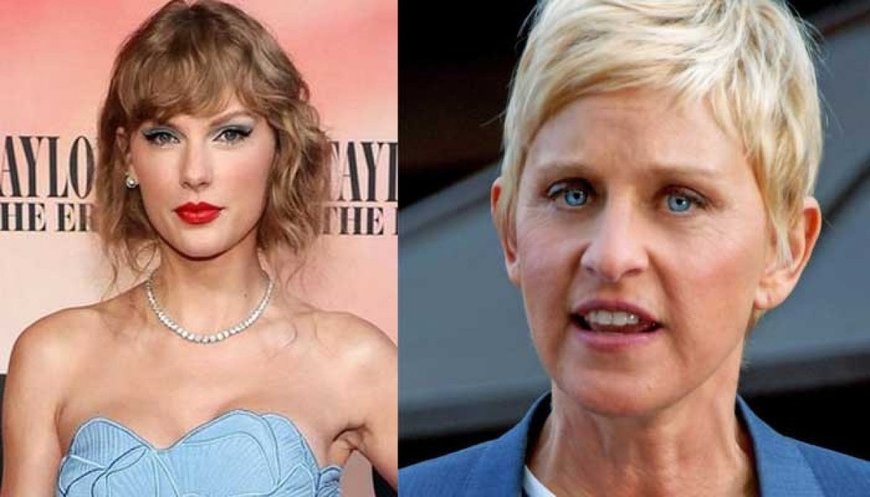
“How did we just sit and watch this and not realize how uncomfortable she was?” a fan remarked, echoing the sentiments of many who now see the interview in a different light.
Swift's Fans and Celebrities Speak Out
The reaction from Swift’s fanbase has been swift and fierce. Many have denounced the segment as "borderline bullying" and "sexist," pointing out how female celebrities endure scrutiny over their personal lives far more than their male counterparts. The focus on Swift's dating history, they argue, feeds into a media narrative that detracts from her musical achievements.
Model and author Emily Ratajkowski has also weighed in, criticizing the interview for perpetuating jokes about Swift's dating life while ignoring the broader issue of how the industry treats women’s personal experiences as public fodder. Her comments add fuel to the fire of ongoing discussions about gender bias in media.
Reflecting on Media Narratives
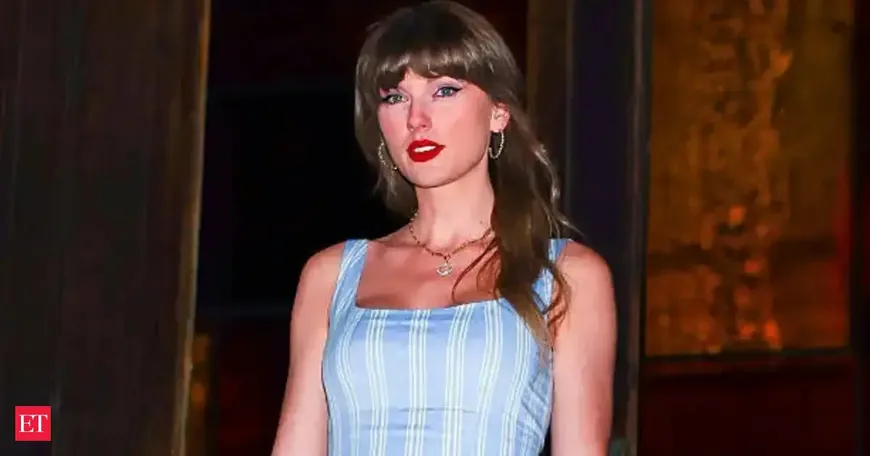
The resurfaced interview has prompted many to reflect on how media narratives have historically shaped public perceptions of female celebrities. The scrutiny over Swift’s dating life, and the way it was turned into a game, underscores a larger issue at play – the double standards in how men and women are treated in the spotlight.
As the conversation around these issues continues to evolve, this incident serves as a reminder of the need for media to be more conscientious in its portrayal of celebrities, ensuring respect and dignity are given to all, regardless of gender.
Categories:

Author: Zoe

Zoe
PHOTO









POPULAR