

Our Latest News


Demi Moore'S "Toned Arms" Saga: The Backlash That Rocked Hollywood
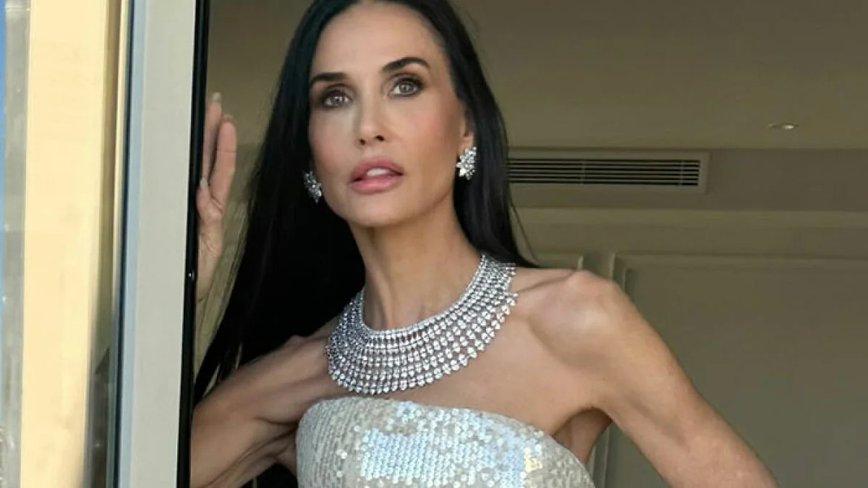
Demi's Cannes Appearance: A Spark for Debate
Demi Moore took the 79th Cannes Film Festival by storm, but it wasn’t just her dazzling gown that caught eyes. The media's portrayal of her "toned arms" ignited a wildfire of controversy. Critics were quick to accuse outlets of glorifying "extreme thinness" under the guise of fitness.
The uproar began when major news outlets highlighted Moore’s red carpet return as a festival jury member, but netizens were not impressed. Many argued that simply visible thinness shouldn't automatically be labeled as "toned." One concerned user lamented, “God bless all the teenage girls who see this, look at their arms in the mirror and suddenly decide to hate themselves.”
“Toned? This is dangerous. It’s just as bad as the other side of the ‘body positivity’ movement,” one concerned user wrote online.
Social Media Storm: A Broader Conversation
The uproar over Moore's appearance didn't stop at her. It sparked a larger conversation about body standards and media framing in Hollywood. Social media was flooded with images of celebrities like Hannah Waddingham, Madonna, and Emily Blunt, showcasing what many perceive as genuine muscle definition. These photos served as a stark contrast to Moore’s depiction.
Critics argued that the term "toned" was misused, pointing out that true muscle definition involves a healthy balance of muscle and body fat. Demi's age, 63, became a talking point, with some defending her look as a natural part of aging, while others saw it as a potentially harmful narrative.
Experts Weigh In: What Does "Toned" Really Mean?
Fitness experts clarified that "toned" arms result from a combination of lean muscle tissue and reduced body fat. Melody D., a fitness specialist, explained, “Muscle tone refers to the ability of your muscles to create tension and force at rest.” This misunderstanding of "toning" has led to confusion about what truly defines fitness.
Celebrity trainers and plastic surgeons echoed these sentiments, emphasizing the need for resistance training and proper nutrition to achieve genuine muscle definition. Meanwhile, the backlash against Moore's "toned" arms highlights a broader societal shift away from valuing extreme thinness, as noted by experts like Joanna Strober, who emphasized the importance of strength over being "skinny."
Categories:

Author: Rico

Rico
PHOTO








POPULAR