

Our Latest News


Celebs & Snacks: The Juicy Truth Behind Their Contradictory Endorsements
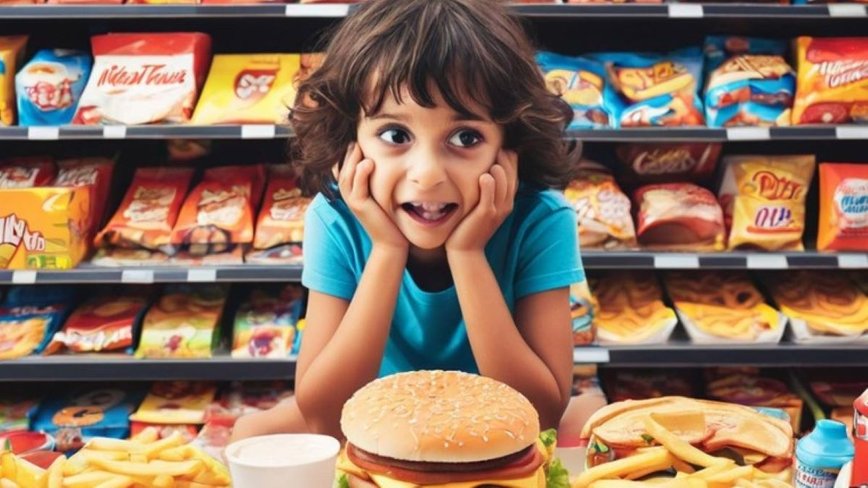
When Celebrities and Snacks Collide
There was a time when anything our favorite celebrities endorsed became an instant hit – be it chips, fizzy drinks, or mango juice. It was more than just food; it was a connection to the stars we idolized. We never scrutinized the ingredients or labels. If they were smiling on screen, that was enough.
But as we grow up, a stark realization hits us. The celebrities who once promoted sugary drinks and snacks are now the same ones advocating for clean eating and disciplined fitness routines. The shift isn’t theirs – it’s ours. Suddenly, the contradictions are glaringly obvious.
The Power of Influence
A viral video of a child casually claiming, “If Shah Rukh Khan hasn’t died, how will I die?” when questioned about consuming gutka, highlights the powerful sway of celebrity influence. Ads aren’t just performances – they’re perceived as the truth.
In fact, such endorsements have sparked legal scrutiny. Shah Rukh Khan, Ajay Devgn, and Tiger Shroff faced notices over a pan masala ad, which was criticized for misleading content by implying premium ingredients like saffron. Authorities highlighted its deceptive nature, especially its appeal to the young.
“If Shah Rukh Khan hasn’t died, how will I die?” – a child’s innocent yet revealing response to celebrity influence.
Celebrity Contradictions
Scroll through interviews or social media today, and a pattern emerges – celebrities talk about cutting sugar and avoiding processed foods. Yet, their endorsements tell a different story.
Take Kartik Aaryan, who advocates staying away from junk food but has appeared in ads for burger chains and soft drinks. The launch of the “Kartik Aaryan Meal” at McDonald's further highlights this contradiction.
Similarly, Samantha Ruth Prabhu, Alia Bhatt, Hrithik Roshan, and Sara Ali Khan speak about healthy eating habits while simultaneously endorsing sugary drinks and fast food. Even Mahendra Singh Dhoni, known for his disciplined lifestyle, promotes snacks like Lay's.
The Impact on Young Minds
Research shows these contradictions have deeper implications, especially for children and adolescents shaping their food choices.
A 2023 study in Punjab involving 722 children and their parents revealed a gap in awareness about food choices. The study highlighted how external influences, like ads, significantly shape dietary habits.
Moreover, a 2024 study in Gujarat found that celebrity endorsements significantly increase the appeal of fast food among children. Parents acknowledged this influence, calling for stricter regulation of such ads to promote healthier food choices.
In essence, low awareness around nutrition, coupled with limited parental intervention, creates an environment where celebrity endorsements play a significant role in shaping dietary habits. The findings emphasize the need for policy changes to curb the growing issue of childhood obesity.

Author: Avery

Avery
PHOTO









POPULAR