
Our Latest News

10 Jul 2026
MSG's Secret Celebrity Watchlist Exposed!


Taylor Swift: The Architect Of Modern Fandom

Welcome to the Taylor Swift Universe
Taylor Swift has redefined what it means to be a fan, creating an interactive universe where fans don't just listen – they live the experience. The pop star playbook used to be straightforward: release an album, drop some singles, and tour. But Swift? She threw that playbook out the window and crafted a new one. She tapped into a profound insight about modern audiences: they crave more than passive consumption. They want to be part of the story. Over the last two decades, she has brilliantly built a world where fans play a vibrant, creative, and collaborative role.
“There's fandom, and then there's the Taylor Swift extended universe,” quips a fan on social media, capturing the essence of Swift's unique approach.
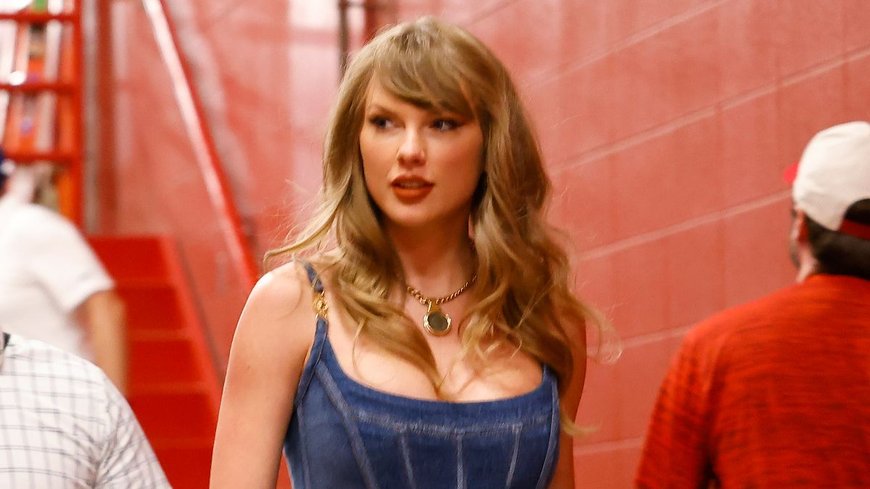
The Era as an Art Form
Before Taylor Swift, album cycles were just that – cycles. Now, they're 'eras.' Swift didn't invent the concept, but she perfected and scaled it for a new generation. Each album, from the dreamy 'Fearless' to the edgy 'Reputation' and the introspective 'Folklore,' comes with its own aesthetic. It's not just clever marketing; it's strategic world-building. By giving each chapter of her career a distinct identity, she provides fans with a specific language and visual palette to engage with. Listening to a record becomes an immersive experience. When you play 'Lover,' you're not just hearing music; you're stepping into a pastel-hued world filled with romantic ideals.
The "Taylor's Version" project takes this concept even further. It's a meta-era about reclaiming her past, inviting fans to revisit and actively participate in rewriting musical history. It's a genius move that deepens the lore and reinforces that these musical periods are living, breathing entities.
From Concerts to Cultural Events
If eras are the chapters, then "The Eras Tour" is the epic anthology. Calling it a 'concert' is an understatement. It's a three-and-a-half-hour pilgrimage, a stadium-sized celebration of every world Swift has created. The show is a spectacle, but the real magic happens in the stands. Swift builds the stage, but the fans make the show.
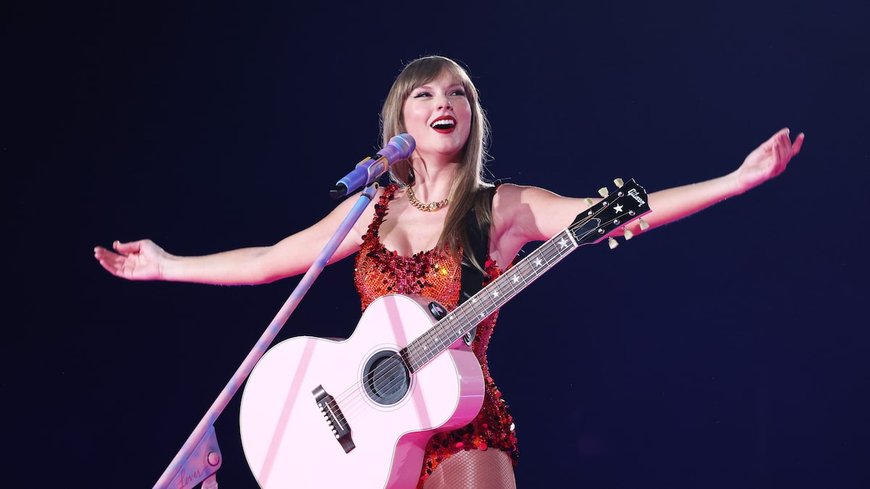
Fan-driven traditions, like trading friendship bracelets inspired by a lyric from 'Midnights,' have become essential to the experience. Fans spend months crafting outfits to represent their favorite era, turning each concert into a massive costume party. Even specific chants and call-and-response moments, born on social media, have become part of the performance's fabric. Swift has created a community, and the fans have filled it with life.
The Master of the Breadcrumb Trail
Perhaps the most addictive part of the Swiftverse is the hunt for Easter eggs. Taylor has gamified her career, turning fans into part-time detectives. From cryptic clues in lyric booklets to hidden messages in music videos, nothing is ever what it seems. Swift has trained an entire generation of fans to look deeper, search for meaning, and connect the dots.
This strategy is brilliant because it obliterates the concept of an 'off-season.' The excitement doesn't die down between album releases; it shifts into speculation and theory-crafting. An Instagram post isn't just a post; it's a potential clue. An awards show speech isn't just a speech; it might announce an album title. This ensures the conversation never stops, keeping her community engaged and invested in what's next.
Ultimately, Taylor Swift's legacy won't just be her iconic songs. It will be the blueprint she created for modern fandom, transforming the one-way relationship between artist and audience into a dynamic partnership. In her universe, fans aren't just watching the story unfold – they're helping to write it.
Categories:

Author: Zoe