

Our Latest News


Selena Gomez & Billie Eilish: Redefining Mental Health Conversations
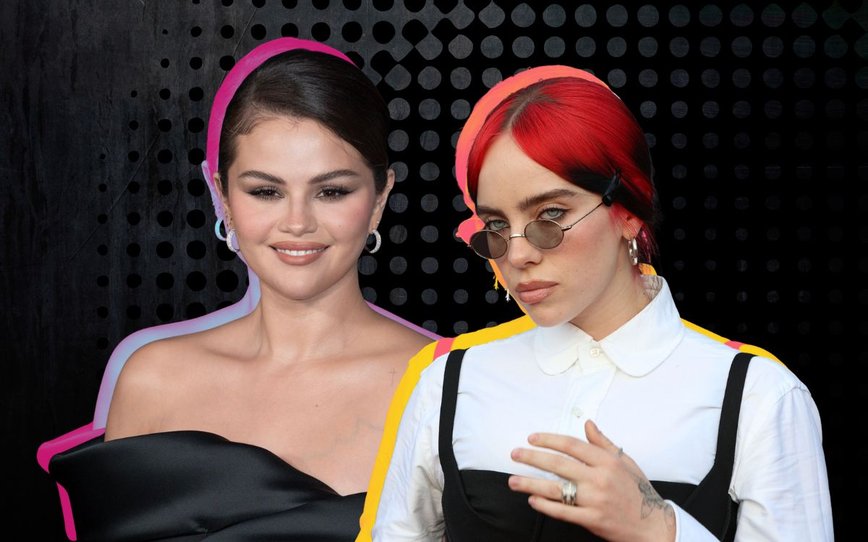
There’s a massive difference between admitting you’ve struggled with mental health and truly living out loud through the hard days. Selena Gomez, Billie Eilish, and a growing list of celebrities have figured that out, and they’re completely changing what fans expect when someone says they care about mental health.
When Mental Health Became Part of the Daily Conversation
Selena Gomez didn’t just tell the world she has bipolar disorder and then move on. In 2025, she kept showing up to her Rare Impact Fund events, kept talking about therapy multiple times a week, kept being honest about medication, and kept saying things like “some days you just have to let yourself feel everything.” That’s the shift. It’s not about having struggled in the past tense. It’s about the ongoing work, the daily maintenance, the reality that mental health isn’t a problem you solve once and forget about.
Her annual Rare Impact Fund benefit in October 2025 raised $600,000 for youth mental health services. The fund, which launched in 2020 alongside her Rare Beauty brand, has a goal of raising $100 million over ten years. One percent of all Rare Beauty sales goes directly to the fund, which now supports 30 nonprofit organizations around the world and has reached over 2.2 million young people.
Billie Eilish and the Power of Saying It Out Loud
Billie Eilish has been talking about depression, self-harm, and suicidal ideation since she was a teenager navigating sudden fame. In a January 2020 interview, she opened up about struggling with thoughts of suicide in her late teens. When asked if the lyric “I wanna end me” from ‘Bury a Friend’ reflected her real feelings, Billie said yes. It wasn’t just a rhyme. It was the truth.
“Please take care of yourself and be good to yourself.” – Billie Eilish
Her openness has sparked debate, but fans pushed back hard, saying that sharing dark feelings doesn’t glorify them. It makes people feel less alone. On Reddit, people wrote things like “knowing that even someone successful can feel the same way makes me feel less alone and less inferior.” That’s the impact of refusing to sanitize your story.
Kristen Bell and the Long Game
Kristen Bell has been open about depression and anxiety since long before it was trendy. She started taking medication in college and has said repeatedly that there’s nothing weak about struggling with mental illness. She goes to therapy. Her husband, Dax Shepard, can sense when a depressive episode is coming and knows how to support her.
In 2023, she became the first Mental Health Ambassador for Hers, using the partnership to advocate for accessible mental health care. She’s been consistent in her messaging: talk about it, get help, don’t let stigma stop you from seeking support. “It’s important for me to be candid about this so people in a similar situation can realize that they aren’t worthless and that they do have something to offer,” she told TIME.
Why Younger Audiences Aren’t Accepting “I’m Fine” Anymore
Gen Z has grown up in a world where mental health conversations are everywhere, but they can also spot performative concern from a mile away. Seven out of ten Gen Z individuals report experiencing symptoms of depression. Suicide is the second leading cause of death in this generation.
This generation is also more willing to talk about mental health than any generation before them. They share emotional breakdowns on TikTok and see therapy as normal, not shameful. They expect the same transparency from the people they follow and admire.
The New Standard
Lady Gaga, Demi Lovato, and Simone Biles are among those who have joined Gomez and Eilish in redefining the mental health conversation. They’re not treating mental health as a one-time reveal. They’re treating it as part of their ongoing narrative, and younger fans notice.
The shift from confession to ongoing work isn’t just a PR strategy. It’s a fundamental change in how we talk about mental health, driven by celebrities who understand that transparency means showing the hard parts, not just the highlight reel.
Categories:

Author: Avery

Avery
PHOTO








POPULAR