

Our Latest News


Roles That Shattered The Stars Who Played Them
The Hidden Costs of Transformative Performances
Some performances don't just etch themselves into pop culture history; they leave indelible marks on the actors who bring them to life. Throughout film and television, certain roles demand more than just a transformation – they require actors to delve deep into emotional, physical, and psychological extremes, often leaving a lasting impact long after the cameras stop rolling.
These performances might be wrapped in awards and critical acclaim, but they come with a quiet, personal cost. Whether it's method acting pushed to dangerous limits or characters so intense they blur the line between fiction and reality, some roles have altered careers, disrupted personal lives, or necessitated long recovery periods.
Joaquin Phoenix – Joker (2019)
Joaquin Phoenix's transformation into Arthur Fleck wasn't just a physical makeover – it was a descent into madness. To embody the fractured psyche of the Joker, Phoenix shed over 50 pounds, a change that deeply affected his mental state. "The physical deterioration blurred the lines between myself and the character," he admitted.
“It was one of the most unsettling portrayals in recent cinema, with emotional residue that lingered long after the final cut.”
This commitment not only fueled an unforgettable performance but also left Phoenix grappling with its emotional fallout.
Adrien Brody – The Pianist (2002)
For Adrien Brody, stepping into the shoes of a Holocaust survivor in The Pianist meant stepping out of his own life. He sold his apartment and car, cut ties with loved ones, and moved to Europe with just a suitcase and a keyboard. This dedication earned him an Oscar, but also led to months of depression and emotional numbness.
Alex Wolff – Hereditary (2018)
In Hereditary, Alex Wolff's raw performance left audiences breathless and the actor himself emotionally drained. The role demanded he tap into dark psychological depths, leaving him sleepless and carrying the character's turmoil off-set. "It was an emotional workout," Wolff reflected, "one that reverberated well beyond the shoot."
Heath Ledger – The Dark Knight (2008)
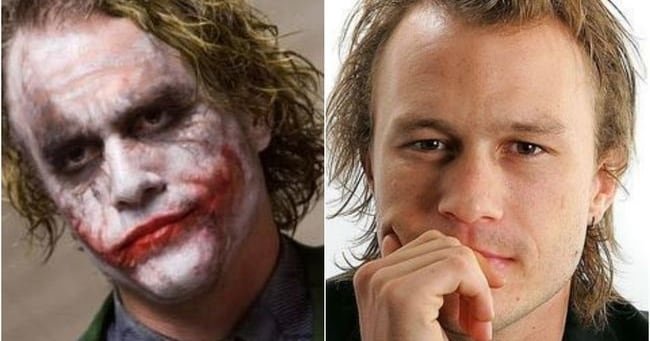
Heath Ledger's portrayal of the Joker in The Dark Knight is legendary, but it came with personal struggles. Isolating himself for weeks, Ledger immersed himself in the chaotic psyche of the character, leading to sleepless nights and a fixation that extended beyond the set.
Jim Carrey – How the Grinch Stole Christmas (2000)
Playing the Grinch required Jim Carrey to endure hours of prosthetic makeup and maintain manic energy levels, leaving him physically and mentally exhausted. The intense demands of the role made it one of Carrey's most taxing experiences.
Shelley Duvall – The Shining (1980)
Shelley Duvall's experience on The Shining set was as infamous as the film itself. Under Stanley Kubrick's demanding direction, Duvall faced grueling schedules and immense emotional pressure, leading to weight and hair loss, with lasting effects on her relationship with acting.
Tom Holland – The Crowded Room (2023)
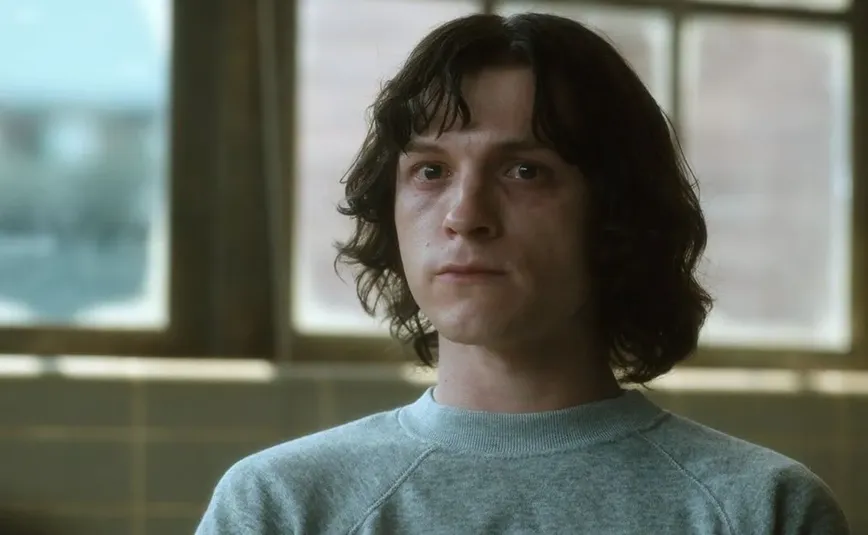
Tom Holland's dive into The Crowded Room took him to new emotional depths, affecting him so deeply that he shaved his head to separate himself from the role. The intensity prompted a year-long break from acting to regain his sense of self.
Tippi Hedren – The Birds (1963)
In Alfred Hitchcock's The Birds, Tippi Hedren faced real birds in terrifying scenes, leaving her with genuine fear and discomfort. The physical threats blurred the lines between acting and reality, leaving a lasting psychological imprint.
Jim Carrey – Eternal Sunshine of the Spotless Mind (2004)
In Eternal Sunshine of the Spotless Mind, Jim Carrey faced a different challenge: emotional vulnerability. Suppressing his comedic instincts for a more subdued performance, Carrey found the role creatively exhausting and deeply unsettling, confronting emotional terrain he'd long avoided.

Author: Julian

Julian
PHOTO









POPULAR