

Our Latest News


Logan Paul Defends Bad Bunny In Brotherly Showdown Over Super Bowl Performance
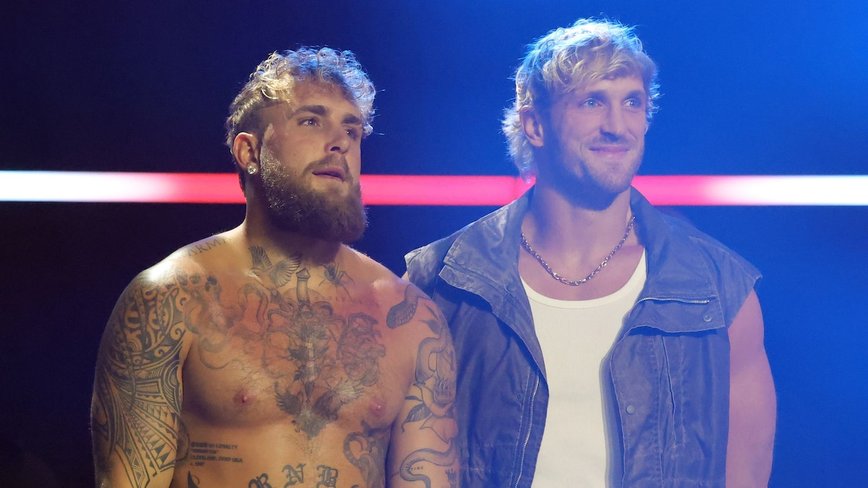
Logan Paul Steps Up for Bad Bunny
On Super Bowl Sunday, Logan Paul found himself in a surprising showdown with his brother, Jake Paul, over the headline-grabbing Bad Bunny halftime show. While Jake was busy urging fans to boycott the performance, calling the Puerto Rican superstar a "fake American citizen," Logan took a different route.
The Social Media Clash
It all kicked off on X, where Jake, the YouTuber-turned-boxer, stirred up a storm by suggesting that viewers switch off the performance to make a statement. "You are their benefit. Realize you have power," Jake wrote, adding that Bad Bunny was "a fake American citizen performing who publicly hates America."
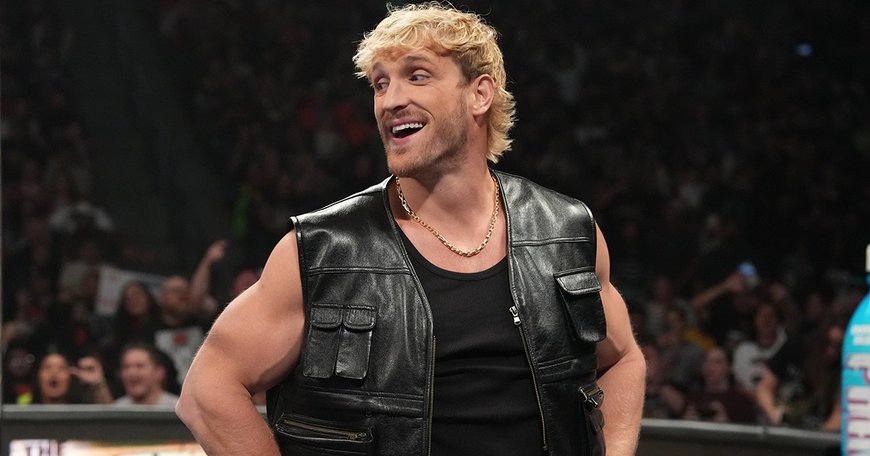
Logan, however, wasn't on board with his brother's remarks. "I love my brother but I don’t agree with this," Logan countered. "Puerto Ricans are Americans & I’m happy they were given the opportunity to showcase the talent that comes from the island."
"Puerto Ricans are Americans & I’m happy they were given the opportunity to showcase the talent that comes from the island." – Logan Paul
Jake Paul's Clarification
As the backlash mounted, Jake clarified his stance, noting, "To clarify: I wasn’t calling anyone a ‘fake citizen’ because they’re from Puerto Rico." He emphasized his love for Puerto Rico, where he currently resides, and his support for the island. Jake explained that his issue was with those who "benefit from a country and the platform it gives you, but publicly disrespect it at the same time."
Bad Bunny's Cultural Celebration
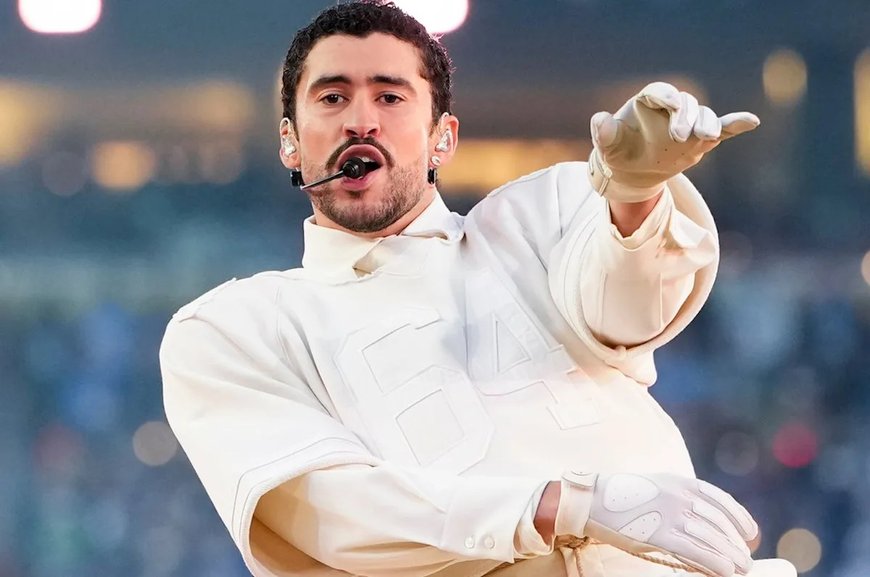
Meanwhile, Bad Bunny's halftime spectacle was a vibrant nod to Latin culture, featuring guest stars like Lady Gaga and Ricky Martin. Despite the controversy, fans celebrated the show for its cultural significance, though it drew criticism from some conservatives, including former President Donald Trump.
The Paul Brothers' Ongoing Drama
This isn't the first time Jake has taken aim at Bad Bunny, previously labeling him "hypocritical" over tax incentives in Puerto Rico. Social media users were quick to point out Jake's own residency in a lavish Dorado mansion and his frequent displays of the Puerto Rican flag.
Logan, attending the game with his wife Nina Agdal, used this moment to publicly distance himself from his brother's views. Beyond the family tensions, the halftime show sparked broader conversations on national identity, immigration, and the representation of Latin culture in America.
Categories:

Author: Julian

Julian
PHOTO







POPULAR