

Our Latest News


From Dance Floor To Fame: How Social Media Is Shaping The Stars Of Tomorrow
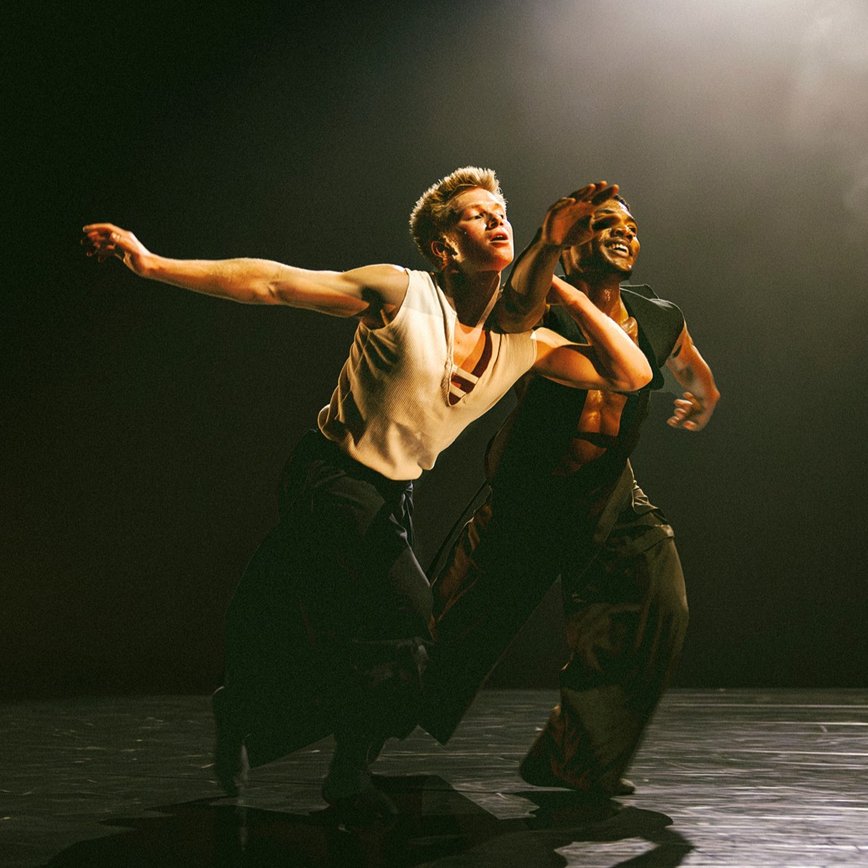
The Rise of Dance Influencers
Over the past decade, social media has revolutionized the world of competitive dance, turning talented dancers into digital celebrities. By sharing captivating dance content online, modern dancers are achieving stardom in a way their predecessors could only dream of. This newfound fame opens doors to networking, training, and professional opportunities that were once out of reach. However, the spotlight also brings its own set of challenges – anxiety and pressure that can’t be ignored.
Is the career boost worth the potential downsides of widespread recognition? For many, the answer is a nuanced yes. Two former comp-kid influencers and a seasoned studio owner weigh in on this complex question.
Opening Doors
Ella Horan, a professional dancer, choreographer, and film director, has a thriving career thanks in part to her social media presence. By vlogging her experiences at competitions and conventions, she has attracted numerous dance opportunities. “It’s from people seeing my work and then wanting to work with me, not having to set foot in an audition room,” she explains. Staying connected with convention friends online has also proven beneficial in her casting choices.
Joziah German, now with Ballet BC, also leveraged social media to network and understand the dance industry's landscape. “My foundation being set earlier on helped me to have my feet and to have a safety net,” he reflects. Yet, as Karla Geier, owner of Expressenz Dance Center, notes, success in dance requires more than just followers. “The number of followers you have is not going to be enough to keep a job,” she asserts. For those entering the industry, Geier advises maintaining an online presence with updated dance footage but warns against solely seeking a following.
Under Pressure
With fame comes pressure, especially during competitions. Horan recalls feeling scrutinized, knowing her online audience would be watching her in person. However, she used that pressure as a drive to push herself further in her training.
Social media can amplify existing perfectionism among dancers, notes Geier. “I’ve seen kids really analyze their photos or their videos because they don’t want to post something that they don’t think is good enough,” she observes. This heightened visibility is now part of professional dance life. German believes that dealing with such pressure early on has equipped him with coping strategies for his career. “You can never get away from it, but how you handle pressure is what makes or breaks your career,” he says.
Remembering the "Why"
While social media offers opportunities, Horan emphasizes not to let it overshadow the essence of dance. “I see a lot of dancers really worry about the footage they are getting in these classes,” she says. “I feel like that’s the last thing they should be worried about. They should be worried about the content in the class and what they’re gaining from it.”
The lure of online fame can lead dancers to prioritize external validation over their craft. Geier worries that influencers might equate their worth with sponsorships and popularity rather than their artistry. German adds, “At a younger age, I think you should be focused on building a relationship with your passion and with your artistry. I’m a little conflicted about where the line is and how we use social media without abusing it.”

Author: Zoe

Zoe
PHOTO









POPULAR